Expert Fence Installation: Improve Your Curb Appeal
Top-rated fence installation offers more than just perimeter establishment. It elevates a property's exterior appearance, providing both aesthetic value and practical benefits. Various styles, from classic wood to sleek vinyl, accommodate varying homeowner needs. As homeowners consider their options, understanding the factors influencing installation and material selection becomes essential. Ideal decisions can dramatically enhance a home's outer facade. However, determining whether to engage experts or pursue a self-managed project introduces key inquiries.
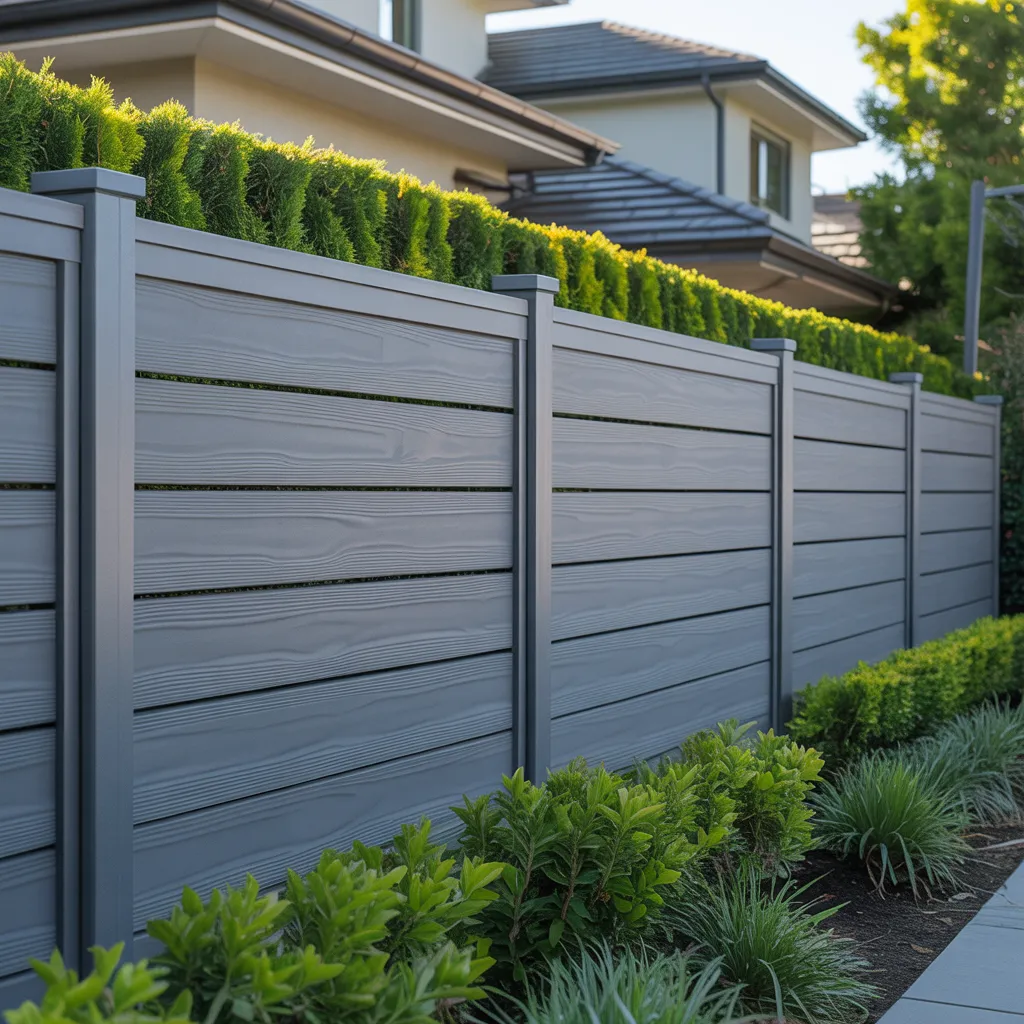
Discovering the Benefits of a High-Quality Fence
A premium fence delivers several key advantages that can substantially boost the value and security of a property. By creating a distinct perimeter, it serves to outline the property's boundaries, discouraging trespassers and stray animals. This additional measure of safety encourages a feeling of security for occupants and their property. Furthermore, premium materials and skilled construction ensure long-lasting performance, lowering upkeep expenses in the long run.
Furthermore, a well-constructed fence can serve as an decorative addition, accentuating the home's architectural style. It can guard exterior areas from wind and noise, fostering a more enjoyable environment for pursuits like outdoor gatherings or gardening. Beyond that, it can ensure seclusion, permitting homeowners to unwind without concern for prying eyes. All things considered, selecting a premium fence not only strengthens peace of mind but also improves the general attractiveness and usability of a residence, establishing it as a smart investment for homeowners seeking long-term benefits.
Top Fence Styles That Elevate Curb Appeal
When thinking about fencing installation, the style chosen can greatly enhance a property's curb appeal. Traditional wood fencing delivers an enduring elegance that complements traditional architecture, while modern vinyl options offer a polished, easy-care solution. Both styles cater to diverse visual preferences and can improve the visual appeal of any residential space.
Classic Wooden Fencing Designs
Classic wooden fence styles deliver enduring beauty that boosts visual appeal for every home. These styles, such as picket, split rail, and privacy fences, offer a natural look that suits a wide range of architectural styles. Picket fences, featuring their classic vertical boards, foster a warm and friendly feel, ideal for front yards. Frequently found in rural settings, split rail fences provide a charming rustic look without sacrificing utility. Standing tall and solid, privacy fences offer both protection and a peaceful outdoor retreat. The versatility of wood allows for customization in height, stain, and finish, empowering homeowners to showcase their unique aesthetic. Ultimately, classic wooden fencing remains a preferred option for those seeking to elevate their home's exterior charm.
Modern Vinyl Options
Modern vinyl fencing options present a wide range of elegant designs that can greatly enhance a home's visual appeal. Offered in a range of colors and finishes, vinyl fences can simulate natural materials like wood and stone while providing exceptional durability and minimal upkeep. Popular styles include picket, privacy, and ranch rail, each appealing to a range of aesthetic tastes.
Vinyl fencing is resistant to rot, fading, and pests, ensuring a long-lasting investment. Furthermore, its versatility in design enables homeowners to adjust heights and panel arrangements to complement their landscape. Therefore, today's vinyl fences not only deliver security and privacy but also improve the overall look of a home, making them a popular selection among thoughtful property owners.
Pick the Ideal Material for Your Fence
Picking the best material for a fence is important for both functionality and aesthetics. Choices such as wood and vinyl offer unique benefits, while chain link provides a cost-effective choice. Furthermore, the longevity of metal fencing is often a significant consideration in long-term planning.
Wood vs. Vinyl Fencing
When homeowners explore fencing alternatives, the discussion between wood and vinyl tends to emerge due to the specific pros and cons associated with each option. Wood fencing delivers a traditional look and natural appeal, appealing to those who favor classic designs. It allows for straightforward personalization and is often more affordable upfront. However, wood requires regular maintenance to prevent rot and damage from pests.
In contrast, vinyl fencing is known for its long-lasting nature and minimal upkeep, preventing discoloration, warping, and cracking. It often comes with a larger initial price tag but has the potential to cut costs over time due to its longevity. Homeowners should evaluate their specific requirements, such as design preferences, budget considerations, and maintenance expectations, to select the best option for their fence installation requirements.
Chain Link Selections Available
Chain link fencing offers an effective option for property owners looking for security and visibility without breaking the bank. This style of fence is offered in a range of heights and gauges, permitting owners to pick options that best fit their preferences. For those prioritizing aesthetics, vinyl-coated chain link delivers a vibrant choice, complementing surrounding landscaping. Moreover, homeowners can choose galvanized chain link for enhanced rust resistance, ensuring longevity. Installation is typically simple, making it a favorite among DIY homeowners. With additions like privacy slats or ornamental tops, chain link can be personalized to achieve both functionality and style. Ultimately, chain link fencing offers a versatile and economical choice for enhancing property boundaries.
Metal Strength Considerations
Selecting the right fence material involves understanding the strength of different choices. Metallic fences, notably those fabricated with steel and aluminum, are known for their strength and longevity. Aluminum provides a rust-resistant and lightweight solution, making it ideal for coastal environments. Steel, while heavier and more robust, requires galvanization or coating to prevent corrosion. In contrast, wrought iron, though aesthetically appealing, requires consistent upkeep to prevent rust. Moreover, the thickness of the metal holds considerable importance; denser materials deliver greater durability and resilience. In the end, elements like environmental conditions, intended application, and maintenance capacity ought to inform the decision-making process, making certain that the chosen metal fencing resists environmental pressures while preserving its structural soundness through the years.
Pinpoint Key Considerations for Installation Success
Successful fence installation copyrights on multiple important considerations that can greatly impact the end result. Initially, choosing the appropriate materials is essential; various materials provide different durability, maintenance requirements, and aesthetic appeal. Furthermore, careful planning is required, encompassing the review of property lines and acquiring the appropriate permits to steer clear of legal problems.
Additionally, precise measurements and a carefully planned layout ensure that the fence correctly matches the landscape and fulfills the owner's expectations. Soil conditions and terrain are also critical factors in achieving a successful installation; these elements can determine the kind of foundation needed for structural stability.
Additionally, climatic conditions need to be considered, as extreme heat or rain can negatively impact installation efforts. To conclude, careful attention during the installation process—such as ensuring panels are aligned and posts are secured—ensures a durable and aesthetically pleasing fence. By accounting for these considerations, property owners can significantly improve the durability and performance of their fence installation.
Should You Hire Professionals or DIY Your Fence Installation?
When evaluating the option of hiring professionals versus pursuing a DIY fence installation, homeowners often assess their expertise, budget limitations, and scheduling demands. Engaging professional installers generally ensures superior results, as seasoned professionals offer technical discover the information expertise and appropriate tools. This approach works best for individuals without the necessary time or knowledge to handle the project properly. Alternatively, a DIY method can prove to be budget-friendly, allowing homeowners to save on labor costs and engage in a rewarding task. However, this route demands a solid understanding of fencing materials, local regulations, and proper installation techniques. Homeowners should also consider the time commitment, as DIY projects can extend beyond initial expectations. In the end, the choice depends on personal factors such as individual preferences, the complexity of the project, and accessible resources. Careful consideration of these factors will guide homeowners in making the right choice for their fencing needs.
Maintenance Tips for Long-Lasting Fences
Preserving a fence's sturdiness and appearance requires regular care. Routine inspections are vital; homeowners should look for signs of wear, rot, or damage. For timber fences, applying a protective stain or sealant every few years can prevent moisture damage. Metal fences should be inspected for oxidation, and any damaged areas should be sanded and painted promptly to maintain integrity.
Additionally, clearing the area surrounding the fence of debris and overgrown vegetation can help prevent the buildup of moisture and pest infestations. It is equally important to secure any loose screws or bolts in order to ensure the structure remains stable.
Washing the fence periodically, with a gentle soap mixture and a soft-bristled brush, preserves its visual appeal. Seasonal maintenance is important; therefore, property owners should establish a schedule to ensure the longevity of their fences. Applying these guidelines can greatly enhance the resilience and attractive appearance of any fence.
Understanding What to Expect in Fence Installation Costs
Grasping fence installation costs is essential for property owners looking to improve their property. The overall costs can vary considerably based on various elements, including the type of material chosen, the intricacy of the setup, and the dimensions of the space requiring fencing. Widely used options such as vinyl, wood, and chain link each come with different price points.
Moreover, labor rates can change based on local pricing standards and the expertise of the contractor. It is also important for homeowners to factor in required permits and added features, such as gates or decorative elements, which can further influence the overall budget.
On average, prices vary from $1,500 to $4,000 for standard installations. Homeowners are encouraged to gather several quotes and examine the range of work needed to ensure a comprehensive understanding of their financial obligations before proceeding.
Integrating Fencing Into Your Landscape Design
Integrating fencing into landscape design not only enhances the aesthetic appeal of a property but also provides functional benefits such as privacy and security. A carefully selected fence can harmonize with existing plants, pathways, and outdoor structures, establishing a unified appearance. To illustrate, wooden fences can integrate naturally with organic surroundings, while metal choices deliver a polished, modern finish that aligns beautifully with contemporary landscape designs.
The appearance and shade of the fence ought to blend with the complete vision of the outdoor space. Vertical gardens or ascending greenery can be integrated to ease rigid boundaries and add greenery. Additionally, thoughtfully arranged fencing can separate zones, such as dividing planted regions from leisure areas.
At the end of the day, thoughtful integration of fence installations improves not just the decorative beauty but also the functionality of outdoor spaces, contributing to an welcoming setting that highlights the property owner's style and preferences.
Frequently Asked Questions
What Permits Are Needed for Installing a Fence?
Generally, homeowners should acquire a building authorization before putting up a fence. Municipal zoning laws might also necessitate special permits, particularly regarding property boundaries or height requirements. Consulting with local governing bodies guarantees compliance with all necessary regulations.
How Long Does Fence Installation Typically Take?
Fence installation usually takes between one and three days, with the timeline depending on the type of material, the size of the property, and weather conditions. Complex designs may require additional time for completion.
Can Fences Be Installed in Winter?
It is possible to install fences in winter. Nevertheless, frozen ground and unfavorable weather conditions can make the process more demanding. Professionals often adjust techniques to guarantee stability and durability during colder months.
What Is the Average Lifespan of Different Fence Materials?
The average lifespan of fence materials varies: wood typically endures for 10-15 years, vinyl is known to last 20-30 years, chain link commonly endures for 15-20 years, and aluminum can exceed 30 years with the right upkeep.
How Do I Choose a Fence Color That Complements My Home?
To choose a fence color that suits a home, one should consider the outside colors, architectural style, and nearby scenery. Natural hues often blend well, while striking shades can offer contrast and aesthetic impact.